

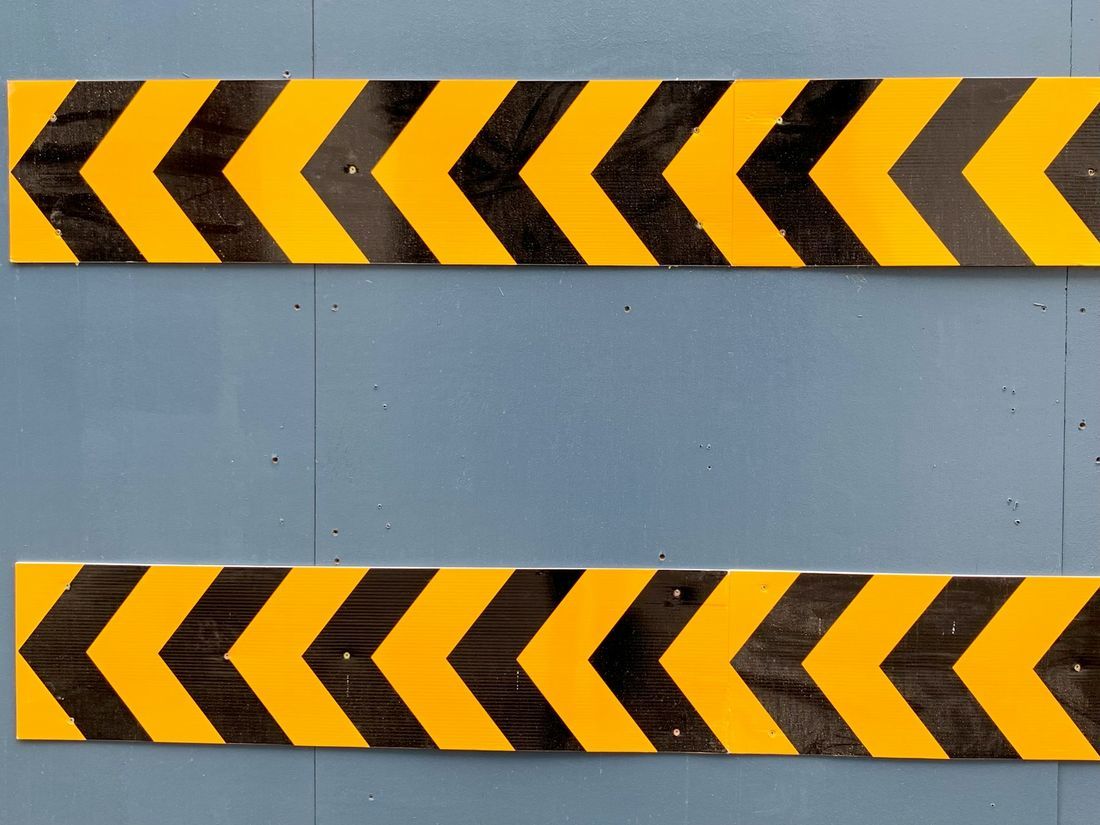
Personal boundaries are rules, limits and guidelines we create around relationships and situations. They can be both external (boundaries we set with others) and internal (boundaries we set within ourselves). Boundaries are invisible barriers ranging from physical and material to emotional and mental.
Are boundaries important?
Yes. Setting boundaries, both in our personal and professional lives, is essential. They communicate to others our limits, needs and expectations around many things such as relationships, time, energy or money. What is okay and acceptable. And what is not.
Simply, boundaries matter!
But many of us find it hard to set healthy boundaries – whether that be with others or with ourselves. Sometimes our boundaries are either too weak or too rigid. Or inconsistent, and we send mixed signals to others. Often too, we have learned very early on that going along with others is more acceptable than speaking up. Difficult childhood experiences such as abuse and neglect can make boundary setting very hard, almost impossible.
One of the most important things I have learned as a counsellor is the importance of healthy boundaries.
As a female counsellor in a men’s prison, setting and maintaining clear boundaries was especially important. The nature of correctional work meant that I had to be vigilant about boundaries. It was important to have strategies in place to deal with people who "pushed" my boundaries. Being firm and assertive but respectful and fair helped to build rapport and maintain my boundaries in a complex and highly regimented correctional environment. Additionally, being consistent around my boundaries was extremely important as I went about my daily tasks.
Although I was behind prison walls, boundaries weren’t about building rigid walls around me or shutting people out. They were about creating an environment of mutual respect and understanding. Clear boundaries stopped me from taking other people’s problems as my own. It was my job to help others. Not to solve problems for them.
Despite the constant exposure to heightened emotional distress and other challenges involved in correctional work, I enjoyed my role. Now, years later, I realise how much prison work taught me about boundaries. I learned to balance boundaries and professionalism with compassion and curiosity. I also learned that if I don’t respect my own boundaries, others won’t either.
There are many signs that indicate your boundaries might need work:
- You feel guilty for setting boundaries
- Saying "NO" is hard, almost impossible
- You feel responsible for everyone else’s happiness
- You don’t speak up when something makes you uncomfortable
- You are afraid of being rejected if you "let others down"
- You say "sorry" a lot
- You have no time for yourself
- You tend to express frustration and irritation indirectly rather than directly. For example, instead of clearly saying that you are upset about something, you make a seemingly positive statement such as "everything is fine” or "it doesn’t matter" with an underlying tone of sarcasm or resentment
- You feel taken advantage of but tolerate or excuse disrespectful behaviour
How to set healthy boundaries:
- One of the first steps is to learn more about yourself. What are your expectations for yourself around boundaries? What are your non-negotiable limits needed to protect your physical and emotional wellbeing? What did you learn about boundaries growing up? Knowing yourself better is crucial for improved boundaries
- Practise saying "NO". Start small and begin with less intimidating situations and work your way up to more challenging ones
- Communicate your boundaries calmly but politely without being mean or rude
- Expect to feel uncomfortable at first. This is normal. Give yourself time and gradually, your confidence grows
- Setting and maintaining healthy boundaries is an ongoing process. It’s not a quick-fix. Importantly, it’s not about hurting, controlling or manipulating others
- Be consistent with your boundaries. Otherwise, others will try to pressure or manipulate you into changing your mind
Clear boundaries strengthen our confidence, self-respect and overall wellbeing. They contribute to much more meaningful and respectful relationships with others. And with ourselves!
Do you think you might need to work on your boundaries?
Eila Mikkonen
Counsellor, Clinical Supervisor & Mental Fitness Facilitator