

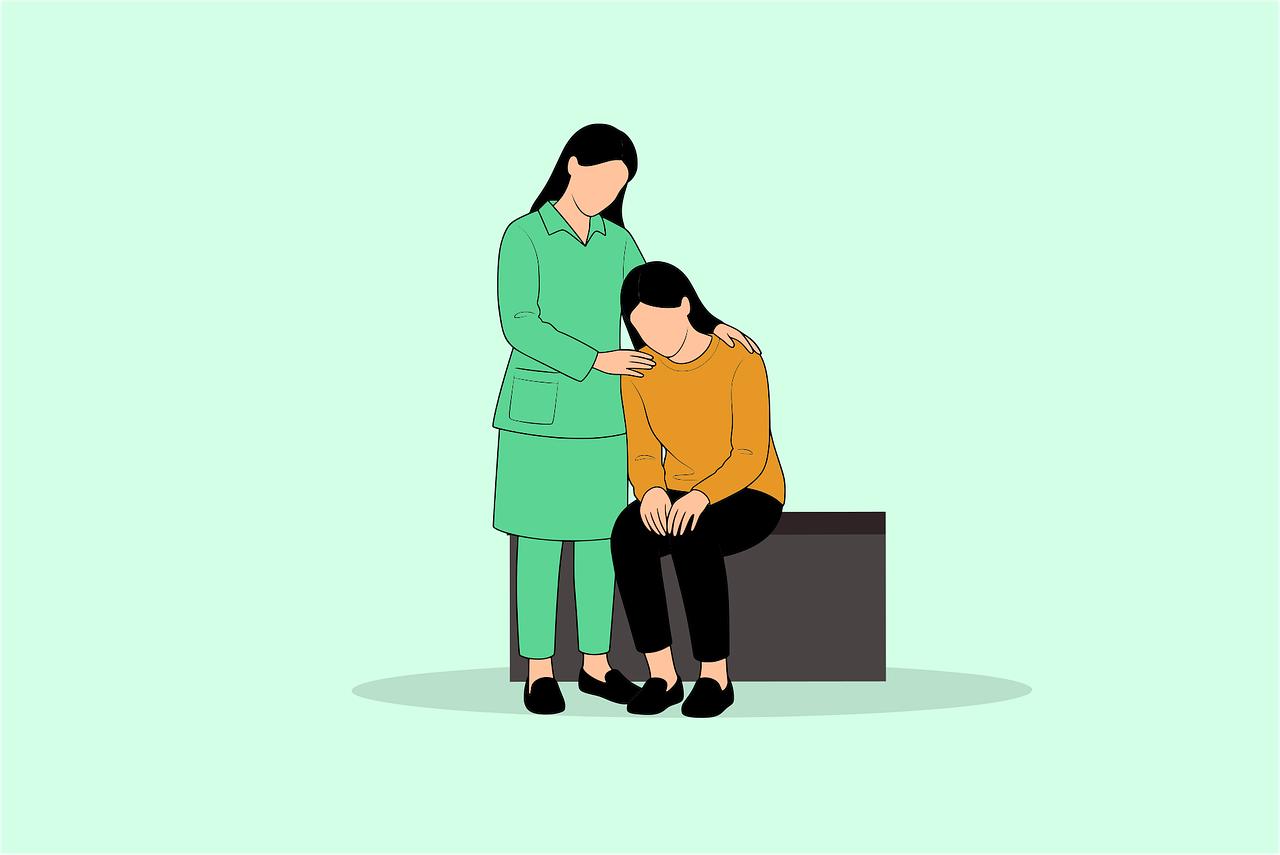
Have you ever said to someone who is going through a difficult experience, "I understand how you feel?"
But do you think you can really understand how someone else is feeling?
While we may be able to relate to the feeling, situation, or experience someone is going through, it’s not possible to experience it in the exact same way. Everyone’s experience is unique.
Statements like "I understand how you feel" or "I know what you're going through" are often used with good intentions. In an effort to help, we blurt them out… and then rush to tell a personal story or offer a solution that worked for us. We genuinely think we’re helping. Yes, we may have gone through a similar situation but comparing our own experience to someone else’s is generally not helpful.
Why?
While these statements are well-intentioned, they can also feel dismissive and insensitive. Saying, "I understand" to someone who is going through a difficult time minimises their experience. It can leave them feeling misunderstood, even defensive. Talking about YOUR story…YOUR experience, takes the focus away from THEIR experience.
But it isn’t about you and your experience!
Often too, someone else’s distress makes us feel uncomfortable, triggering our own fears and insecurities. We want to help. We want to ease their pain and suffering. But what we really want, often subconsciously, is to find a solution to ease our own discomfort. Our tendency to launch into the problem-solving mode is a way to manage our own anxieties. WE feel better when we relieve someone’s suffering.
So, what IS helpful?
It can be really hard finding the "right" words to support someone who is struggling… there might not be any. Just being present and saying, "I don’t know what to say, but I’m here for you" demonstrates empathy and compassion. Instead of worrying about finding the perfect words, simply being there for another human being is often the most helpful thing we can do.
By just being there, even if you don’t say much, you create space where the person "feels" seen and accepted for who they are. They "feel" safe to share their concerns. You’re communicating that you recognise their emotional experience. They "feel" acknowledged and validated.
What is emotional validation?
Emotional validation is about respecting another person’s feelings or experience, even if you don’t agree with their view or perspective. This is important! Validation is NOT the same as agreement. It doesn’t mean you give up your own point of view. It doesn’t mean you excuse or condone unacceptable behaviour.
When you validate someone’s feelings or experience, you're sending a message, "I hear your, I see you." You're acknowledging what someone is going through. You’re not trying to "fix" something or come up with solutions. You’re accepting someone’s internal experience as real and important for them.
We often feel invalidated, judged and dismissed in our personal and professional relationships. More than anything else, we want to be heard. Once we feel heard, we're more receptive to hearing someone else’s point of view. We're much more likely to engage in a conversation about different views, values and opinions.
So, emotional validation is a powerful communication tool, especially when navigating difficult conversations, disagreements, and negotiations. It’s a great de-escalation tool in many different settings! However, validation doesn’t come easily. Sitting with someone else’s difficult or intense emotions is really hard.
But it’s a skill that can be developed!
- Start paying attention to your everyday conversations. Try and notice when you are going into the "fixing" mode.
- Pause a little. Resist the urge to give unwanted advice. For example, phrases like "Here’s what you should do", "It could be worse", or "Don’t worry, you’ll get over it" hurt more than they help. Think about it, if you are going through a difficult experience, is that what you want to hear? Simply saying, "That’s hard" or asking, "What do you need right now?" are effective ways to show you are present and attentive.
-
Pay attention to your own emotional reactions. Is your discomfort triggered by someone else’s distress? Perhaps you quicky try and push your unpleasant feelings away? The way we respond to emotional discomfort can be traced back to our early childhood experiences. These early experiences often shape the way we respond to stress and discomfort. If you were raised in an environment where your feelings weren’t explored and discussed, it can be difficult to sit with, and validate, someone else’s emotional experience.
Even after many years as a therapist – no matter how good my ability to show empathy or read the emotions of others – it’s not possible for me to FULLY understand how someone else is feeling. And often too, this is a positive thing! Although I’m highly attuned to the emotions of others and feel them much more deeply, establishing healthy boundaries helps me to protect my own wellbeing. Without a strong "mental buffer", it’s easy to become drained and overwhelmed by the needs and emotions of others.
I often reflect on the following quote, widely attributed to Maya Angelou;
"People will forget what you said. People will forget what you did. But people will never forget how you made them feel"
I couldn’t agree more!!!

Eila Mikkonen
Counsellor, Clinical Supervisor & Mental Fitness Facilitator