

There are many different types of relationships. From personal relationships with family members and romantic partners to relationships with friends, work colleagues and acquaintances.
But the most important and profound relationship we have in our lives is the one we have with ourselves!
Why?
The relationship with ourselves is the longest one we’ll ever have. It’s the one we need to live with day in and day out. It’s the one we can’t escape from. While relationships with family, friends and others are important, having a strong, healthy relationship with ourselves is the foundation for all the relationships in our lives.
But for many of us, the relationship we have with ourselves is the most difficult one, often shaped by early childhood experiences. And some of those experiences can be negative, even traumatic.
When we are young, we are very vulnerable. If we haven’t experienced safety and nurturing love and acceptance from our parents or caregivers, it’s very hard to trust another person. If we grew up in an environment where we witnessed constant conflict, arguments and criticism, our inner voice is more likely to be negative, telling us, "I don’t deserve love and kindness." We have internalised that being kind to ourselves is selfish, even bad.
Many of us carry emotional "wounds" from childhood.
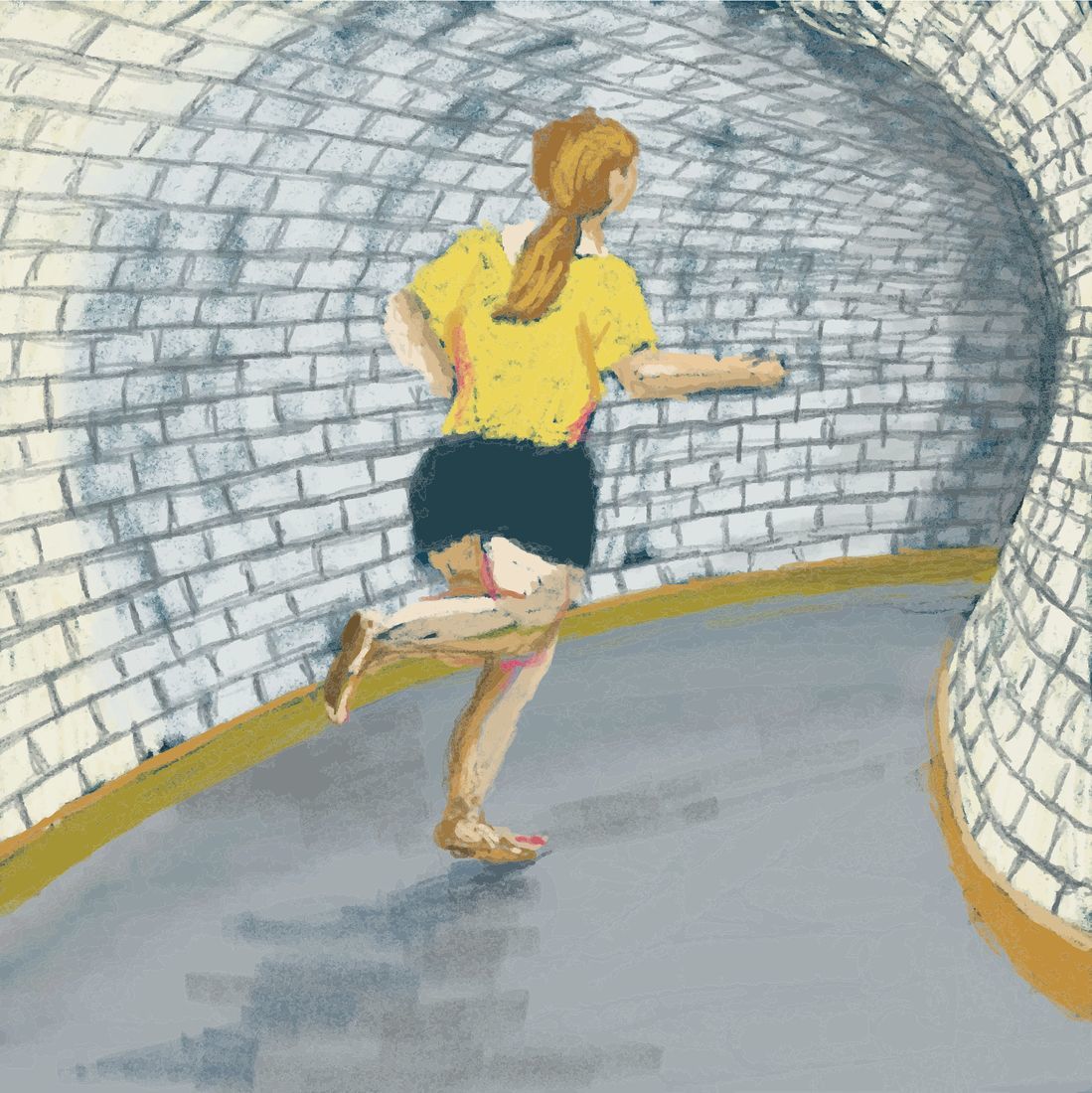
We often try and "run" away from ourselves – and our emotional "wounds" – terrified of confronting our innermost thoughts, feelings and the less desirable aspects of our personality, or "shadows" as Carl Jung called them. We fear what might come up. We try to escape our internal discomfort – through distractions, bad habits, substance use or other addictive behaviours. But the escape is only temporary. No matter what we do, there’s no escaping from ourselves!
Often too, we quickly shift the focus away from ourselves onto others. We show love and kindness towards others but struggle to be kind and loving towards ourselves. Instead of taking an honest look at ourselves, we prioritise our relationships with others. This is a common, often subconscious, strategy to avoid examining our relationship with ourselves.
But if we don’t love and accept ourselves, flaws and all, how can we love and accept others? It’s important to note that I’m NOT talking about self-centered, arrogant and egotistical self-love. This is selfishness, not genuine self-love. There’s a big difference!
What about you?
How is your relationship with yourself?
Look at your relationships with others, past and present. They often mirror your own deep-seated beliefs, insecurities, and unmet needs. Is there a repeating pattern? Different circumstances, different relationships, different people, the same story playing out again and again? The way you see yourself is often how others see you. Your external reality is simply a reflection of your internal world.
How can you expect others to love and respect you if you don’t love and respect yourself? The people you attract often reflect and align with your internal state. If you want people to respect you, respect yourself first!
There’s a great saying, "We don’t attract what we want. We attract who we are"
Self-worth must come from within! But shifting from self-criticism to self-love and compassion is a gradual process, not an overnight transformation. Take small steps, slow and steady. Be gentle with yourself. This isn’t about blame. Change is possible through active engagement with your internal world.
Perhaps it’s time for you to start developing a new relationship – with YOURSELF!

Eila Mikkonen
Counsellor, Clinical Supervisor & Mental Fitness Facilitator