

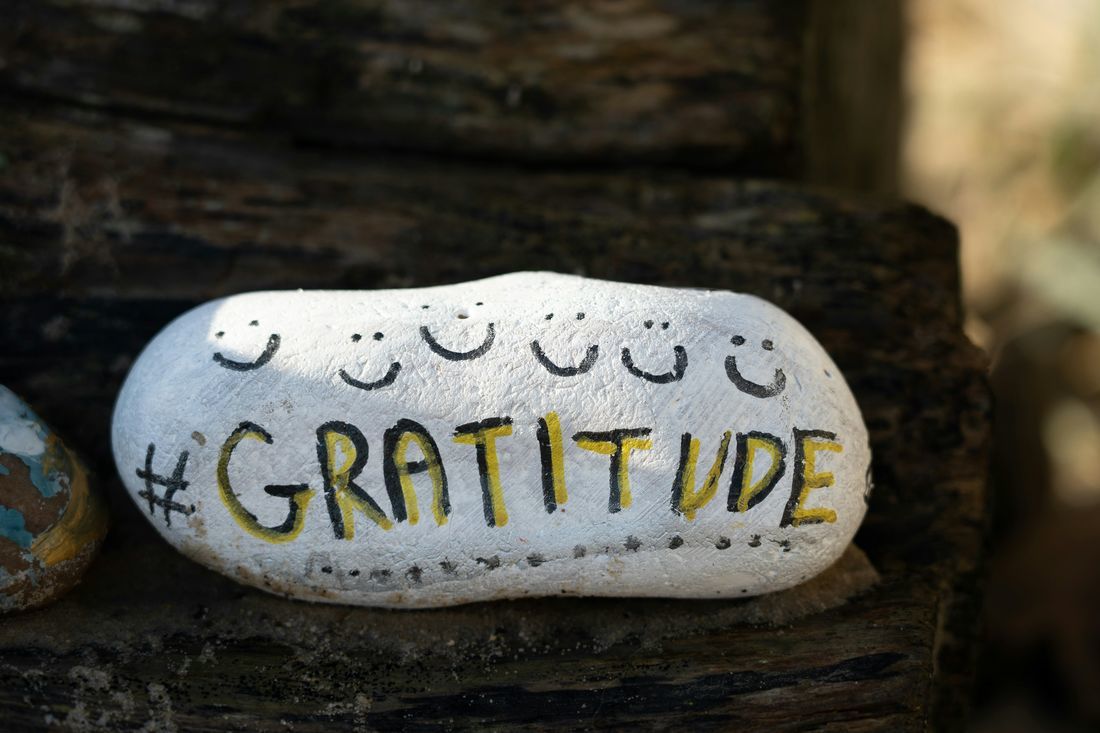
Did you know that having an attitude of gratitude is good for you?
Many studies have shown that expressing gratitude is associated with many physical and mental health benefits, from lowering blood pressure to reducing stress and improving overall wellbeing. People who regularly practise gratitude often have greater resilience and increased life satisfaction. But what if you are sitting there and thinking, "My life is a struggle and there’s nothing I feel grateful for?"
Yes, it’s really, really hard to feel grateful when things aren’t going well in our lives. But practising gratitude doesn’t mean we ignore our difficulties and pretend that everything is fine. Life is hard at times with disappointments, setbacks, and sadness. It’s important to recognise and process our difficult emotions and experiences. They aren’t something to be avoided at all costs. They’re there for a reason.
Strengthening the "gratitude-muscle" is a gradual process, not an overnight transformation. It needs regular exercise to make it grow strong. The more we practise the stronger it becomes. Just like physical fitness, gratitude is something we cultivate over time. Additionally, the brain has a remarkable ability to adapt and form new neural connections throughout life. This is known as neuroplasticity. Many studies have shown that consistent gratitude practice, just a few minutes a day, can shift negative thinking patterns into more positive ones. We are basically "rewiring" the brain to seek out the positives in our lives. Expressing gratitude also makes us F - E - E - L good as the brain releases hormones associated with joy and happiness.
Gratitude can provide wonderful benefits in all areas of our lives. From improved personal and professional relationships to greater resilience and overall quality of life. Starting the day with an attitude of gratitude sets a positive tone for the day. It’s free and takes only small amounts of time and effort. The benefits of gratitude extend far beyond ourselves, creating a wonderful ripple effect of positivity. Gratitude makes us more appreciative, inspiring others to be the same. Too often we take things we already have for granted.
What does my own gratitude practice look like?
- I try and live with an attitude of gratitude: I try and be grateful for both the positives and the negatives around me. This helps me to stay grounded and focused on what really matters most in life… my health, relationships, and meaningful work. I try and notice the small acts of kindness that occur around me.
- I say "Thank You" throughout the day: Thank you to situations and circumstances I encounter. Thank you to nature. Thank you to people I meet, even if they offend me. Thank you for not getting hurt when I slipped. Thank you to my feet for carrying me all day. Thank you for another day. These are just some of my "Thank-Yous" helping me shift my perspective away from negativity
- I find different ways to practise gratitude: Whether it’s telling people I appreciate them, sharing a smile or thoughtful message, or just finding the beauty in the ordinary, I try and find different ways to practise gratitude. Even writing about gratitude in this blog makes me feel good and appreciative
- I try and learn from others, no matter who they are: I have witnessed the transformative power of gratitude in unlikely places. Behind barb wire and high walls isn’t typically where people expect to find gratitude. But in my role as a prison counsellor, I witnessed first-hand how incarceration can be a catalyst for meaningful change. Some inmates talked about being grateful for the lessons they’d learned while in custody. They didn’t pretend they weren’t in prison. They didn’t deny they were there because of their own actions. No, gratitude didn’t erase those realities. But despite being incarcerated, they expressed gratitude for the opportunity to break negative cycles and change their lives. So, if someone behind prison walls can have an attitude of gratitude, so can I!!! And I have continued to learn from others, regardless of their status or background
- I practise gratitude consistently: I have been practising gratitude for a long time. Gratitude started as an occasional practice but has become my default response. I look for opportunities to say, "Thank You." As a therapist, I often see people try something new for a week or two and then give up declaring, "It doesn’t work." People expect instant results. They quit before they even start
- I try and do better: I reflect on "missed" opportunities to express appreciation and gratitude. But instead of dwelling on moments where I could have said "Thank You", I re-frame them as learning opportunities. I acknowledge that "I’m a work in progress" with gratitude practice myself
Do you have an attitude of gratitude?
Or do you find yourself complaining too much? Is your "negativity-bias" so strong that you tend to focus more on bad experiences than good ones? Try a simple experiment for a month. Each day, pause for a moment and ask yourself, "What is one small thing I am grateful for right now?" Give it a try. And be patient. Gratitude is something we cultivate over time, and the benefits may take a little while to manifest.
Gratitude practice can really change your life for the better!

Eila Mikkonen
Counsellor, Clinical Supervisor & Mental Fitness Facilitator